Empowering Canines: Essential Training Techniques for Service and Emotional Support Dogs
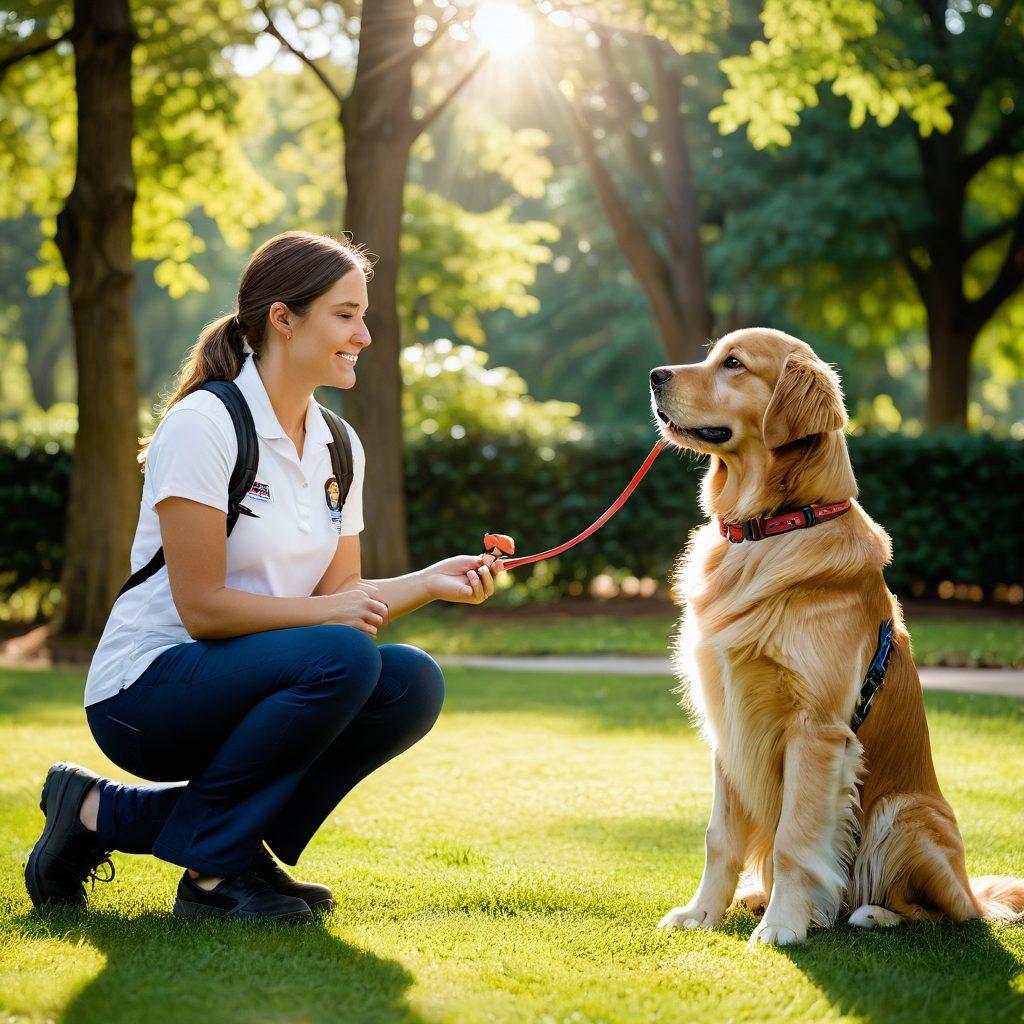
Imagine a world where every bark, wag, and tilt of a dog's head speaks volumes about their needs and emotions. This world is possible when we master canine communication through effective training techniques. Whether your furry friend is destined to become a service dog, an emotional support companion, or simply a well-behaved pet, understanding their language is key. Getting started with dog obedience training can feel daunting, but with the right tools and techniques, you’ll assist your canine companion in becoming an invaluable partner in your life.
When we talk about service and emotional support dogs, we often think of magnificent breeds like Golden Retrievers, Labrador Retrievers, and German Shepherds—the standout service canine breeds. However, let’s not forget the incredible potential of shelter dogs who just need the right guidance and training to shine. Every dog has unique qualities that can be harnessed through tailored canine training techniques, from clever Border Collies to affectionate Poodles. The real question is, how can we unlock that potential
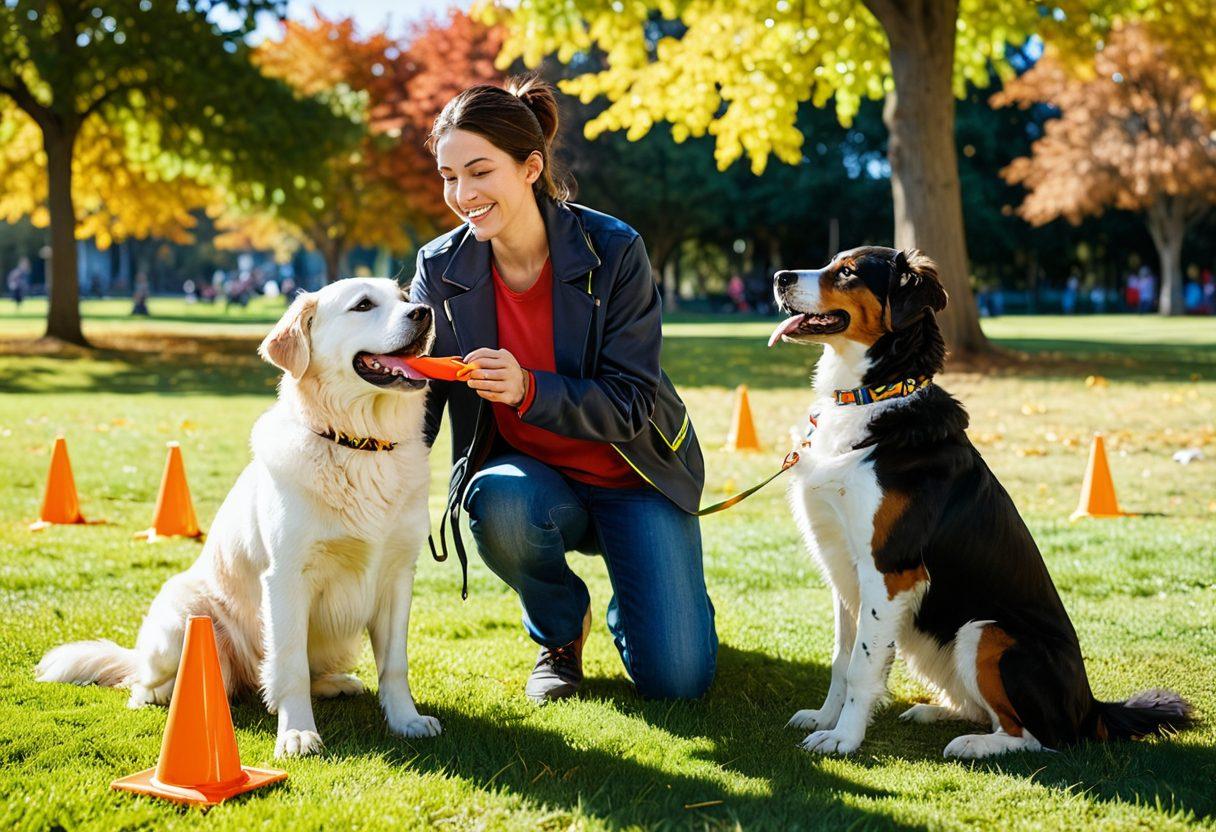
Training tools play an integral role in ensuring our canine companions are well-equipped to handle their responsibilities as assistance dogs or emotional support dogs. From clickers and treats to agility equipment, the diversity of training tools can make each training session truly engaging. Think of these tools as a dog guardian's secret arsenal! Have you ever considered using a variety of working canine activities to keep your dog mentally stimulated? Because remember, a tired dog is a happy dog!
As you begin your dog training programs, don’t forget that it’s not just about the commands. It’s about the relationship you build with your pup. You are not merely a handler; you are a true dog guardian! A guiding light who helps shape their behavior through love and patience. Instead of viewing training sessions as a chore, think of them as bonding experiences. Why not share a fun quote with your pup? “Dogs don’t just bark; they are simply trying to communicate!”
Ultimately, the journey of mastering canine communication is not only about refining techniques—but also about the pet health care, nurturing, and understanding that we offer our dogs. As we become more aware of their body language and vocalizations, we not only foster obedience but also practice crucial dog behavior modification. So let’s dive into the transformative world of puppy training, dog handling, and emotional support, one paw at a time! In the end, every effort invested in training translates to a stronger bond between you and your furry companion, paving the path to a rewarding companionship.
Building Bonds: Effective Training Strategies for Working Canines and Their Guardians
The journey of building a bond with your canine companion is one of the most enriching experiences a dog guardian can undertake. Imagine watching your furry friend transform from a playful puppy into a reliable working canine or emotional support dog. Isn't that the heartwarming kind of transformation we all hope for? Through effective training strategies, not only can we enhance our dogs' skills, but we can also deepen the bond we share with them, creating true partnerships that enhance pet ownership.
When we think about dog obedience training, it’s essential to look beyond mere commands like sit or stay. Working canine activities span far and wide, from assistance dogs aiding individuals with disabilities to therapeutic dogs providing comfort during tough times. What’s the magic ingredient to make this happen? It lies in understanding canine training techniques that foster trust and communication between dog guardians and their trainable dogs. Many of us often ponder: How do I go beyond the basics?
To embark on this noble journey, dog guardians should invest in quality dog training programs that prioritize positive reinforcement and consistent practice. A quote that resonates with many trainers is, 'The best way to train a dog is with patience and love.' This mantra emphasizes that behavioral modification doesn't happen overnight. With shelter dogs or rescue pets, this may be even more crucial, as they carry unique experiences and lessons from their past. Thus, tailored puppy training approaches can make all the difference.
One powerful tool in the training toolbox is understanding the specific service canine breeds best suited for particular tasks. For instance, Golden Retrievers are often adored for their gentle demeanor and intelligence, making them fantastic emotional support dogs. In contrast, German Shepherds are commonly chosen for service animal training due to their loyalty and trainability. But how do you choose the right fit for your needs? By ensuring that you consider each dog’s personality alongside their breed traits, you can set both yourself and your canine companion up for success.
In conclusion, the road to building a solid bond with your assistance dog or emotional support dog starts with effective communication, tailored training techniques, and, most importantly, love. As you prepare to take on the rewarding role of a dog guardian, remember that pet health care and dog handling go hand in hand with trainable behavior. So, go ahead—invest in your canine companions. With every successful command learned and obstacle overcome, you’re not just training a dog; you’re facilitating a life-changing partnership filled with loyalty, love, and endless possibilities.
From Puppy to Partner: Essential Tools and Techniques for Developing Trainable Canine Companions
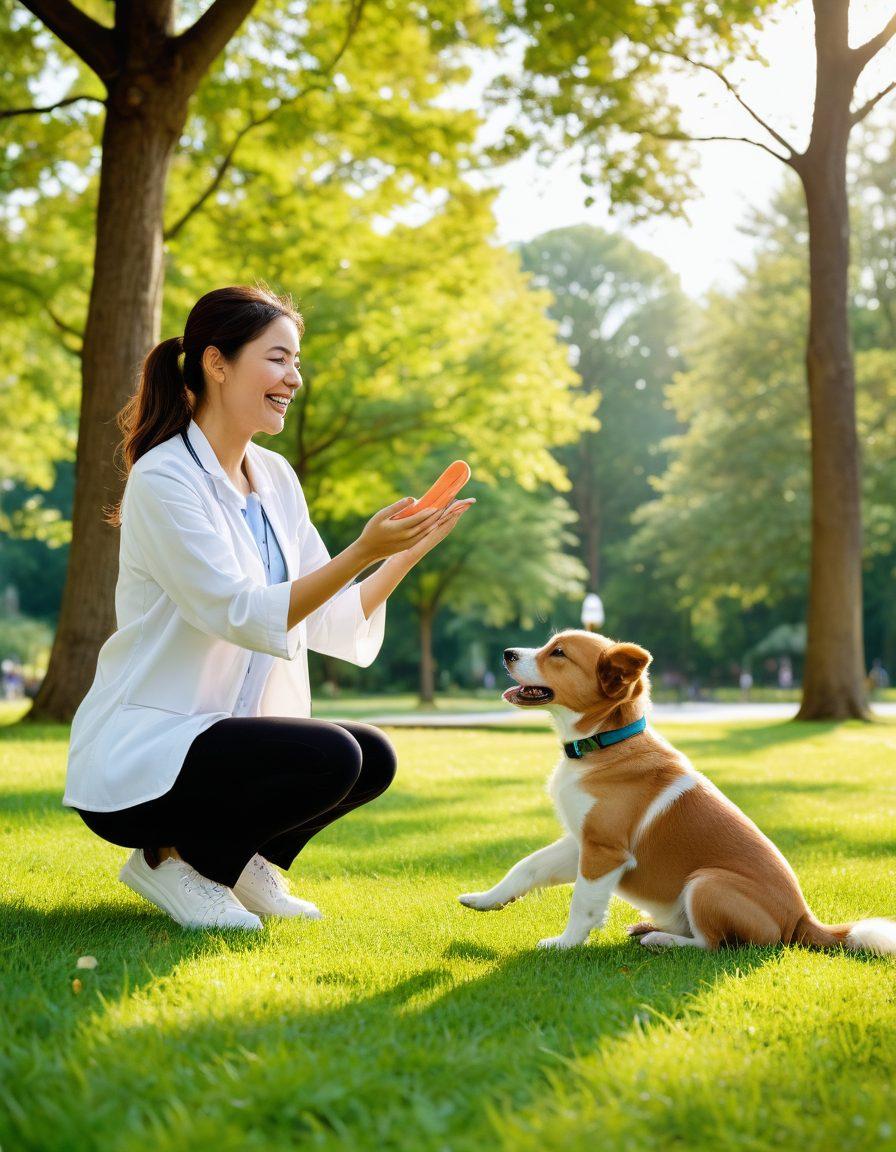
When it comes to raising a puppy into a dependable working canine, the journey is nothing short of extraordinary. Imagine the joy of nurturing a small ball of fluff into an indispensable member of society, capable of making a world of difference for those in need. Transforming a puppy into a partner requires patience, perseverance, and a multitude of training techniques. As the saying goes, ‘A dog is the only thing on earth that loves you more than he loves himself.’ This love not only demands our compassionate canines to provide emotional support but also requires their guardians to equip them with the necessary skills to thrive in their roles as service or therapy animals.
In the world of pet ownership, the importance of dog obedience training cannot be overstated. Many dog guardians may wonder how to establish a solid foundation with their dog while also keeping the process enjoyable. The truth is, early puppy training is crucial; the first few months are when the groundwork is laid for developing trainable dogs. As you embrace this adventure, remember to consult various dog training programs that focus not only on obedience but also on fostering a strong bond with your puppy. Building trust during these formative weeks sets the stage for a successful partnership, not just with assistance dogs but with any canine companion you hope to develop.
As your dog matures, you can innovate with canine training techniques that cater to your pup's unique temperament and characteristics. Every dog is different; some will excel in agility, while others may be more suited for working canine activities that require think-on-their-feet skills. Have you ever thought about how rewarding it is to witness your pup becoming adept at tasks? The pride you feel when your dog performs perfectly speaks volumes about the effectiveness of the training tools you use. From clickers to leash training aids, the right equipment can complement your training efforts, turning sessions into positive reinforcement moments that inspire growth.
For those interested in working dog training, it’s essential to be familiar with the specific needs of service canine breeds. These dogs are often tasked with providing assistance to those with physical disabilities or emotional challenges. Shelter dogs, for instance, can also show incredible potential after an appropriate dog behavior modification program, transforming from frightened animals into intuitive emotional support dogs. The beauty of this mission lies in the realization that every dog possesses an innate ability to learn, challenge, and inspire—they just need a dedicated human to guide them.
In conclusion, the journey of developing trainable canine companions from puppies is filled with love, challenges, and triumphs. From the initial puppy training stages to the advanced techniques needed for service animal training, the process unites dogs and humans in a unique bond. As a dog guardian, your role is paramount in shaping not only your pet's behavior but also their future as therapy or emotional support dogs. With patience, the right training programs, and understanding the unique capabilities of your dog, there's no limit to what these working canines can achieve. How will you start your training journey today?